
Your Smartphone Is Your Prison
Here's how outdoor photography became my escape and how it can become yours.

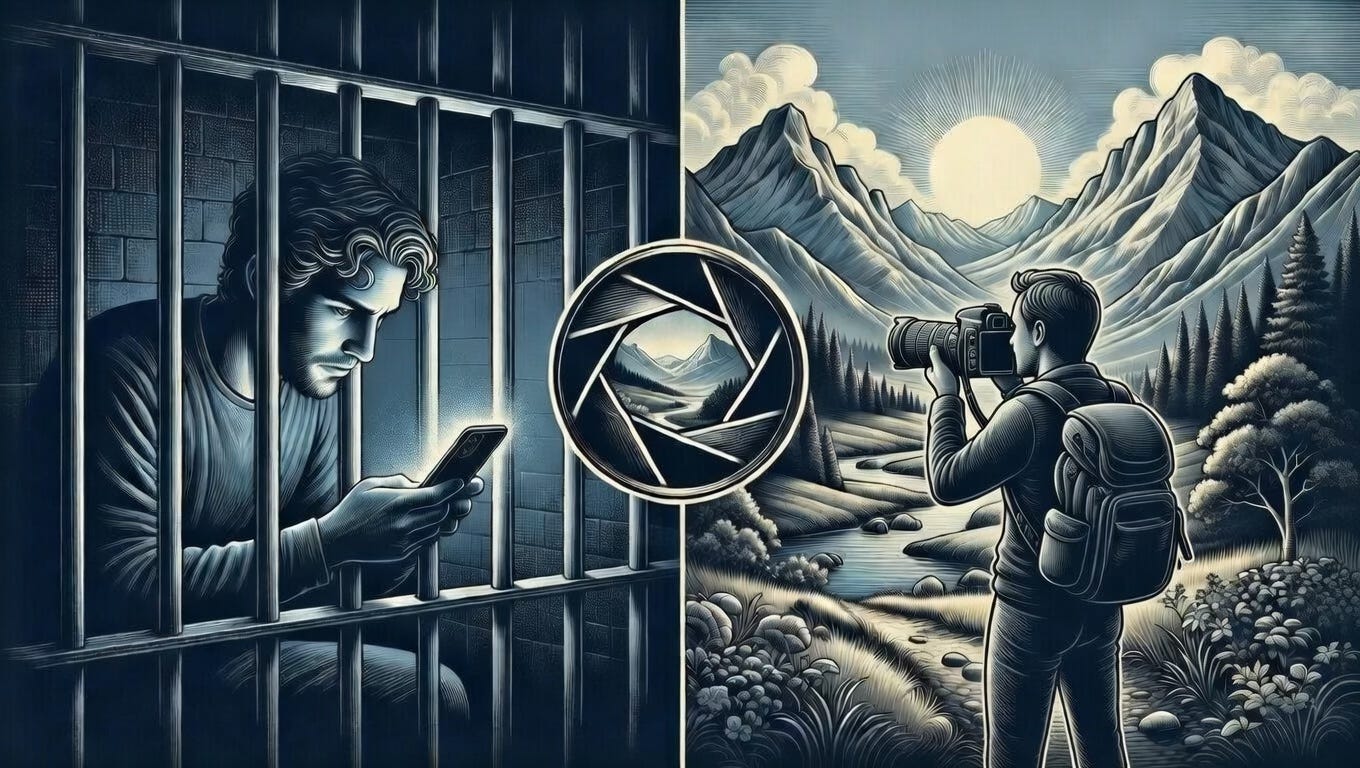
Before you read on, pause for a moment and think: What is the very first thing you usually do upon waking up? Where does your attention go in those first few minutes of the day? How does a typical day of your life look?
The blue shine of your phone illuminates the room before dawn. Your thumb taps snooze, then lingers, scrolling through headlines and flashes of TikTok or Instagram, the noise settling in before your feet touch the floor. Steam rises from your coffee, but your eyes are on a screen, partially listening to the television’s chatter in the background. Later, you slip headphones on and ride the commute cocooned in music, or sit at your desk at home, hardly glancing outside while notifications pop and tasks pile up. The real world dims quietly behind the pulse of mails, tasks, pixels, and feeds.
It isn’t uncommon nowadays to live our entire lives in front of a screen, with high levels of consumption.
We don’t truly live our lives. We are passively consuming the curated lives of others or executing tasks dictated by external forces. Either by viewing life through the view of our favorite content creator, by executing the tasks our boss requires us to do, or by buying the thing that the ads tell us to buy.
In fact, the average adult now spends more than 7 hours a day staring at screens, a number that has sharply increased in recent years. That’s nearly a third of your entire waking hours.
Visualize this: if you spent that same time walking, you could cross your entire city from end to end each day. Meanwhile, studies show record-breaking rates of loneliness and disconnection, even as our virtual communications multiply. There is little attention for the real world, little of one’s own creation, little own purpose, no excitement besides the short dopamine hits of a funny reel.
It is no surprise that we feel increasingly isolated and claustrophobic. Our minds become narrow, our lives become small, our thoughts become depressive.
Your smartphone, your desk, your TV, they become your prison.
This isn’t simply a passive existence. It’s a steady decline of your agency, a dulling of your senses, and a quiet descent into a life you are solely observing, not living.
The longer you wait, the harder it becomes to remember what it felt like to create instead of consume.
So how can we break out of this prison? In this letter, I will provide you with a tool that everyone can apply to help you break out of your prison, regain your attention, calm your mind, create more agency in your life, switch from consumption to creation mode, and become authentically present for true fulfillment.
The tool: Outdoor Photography
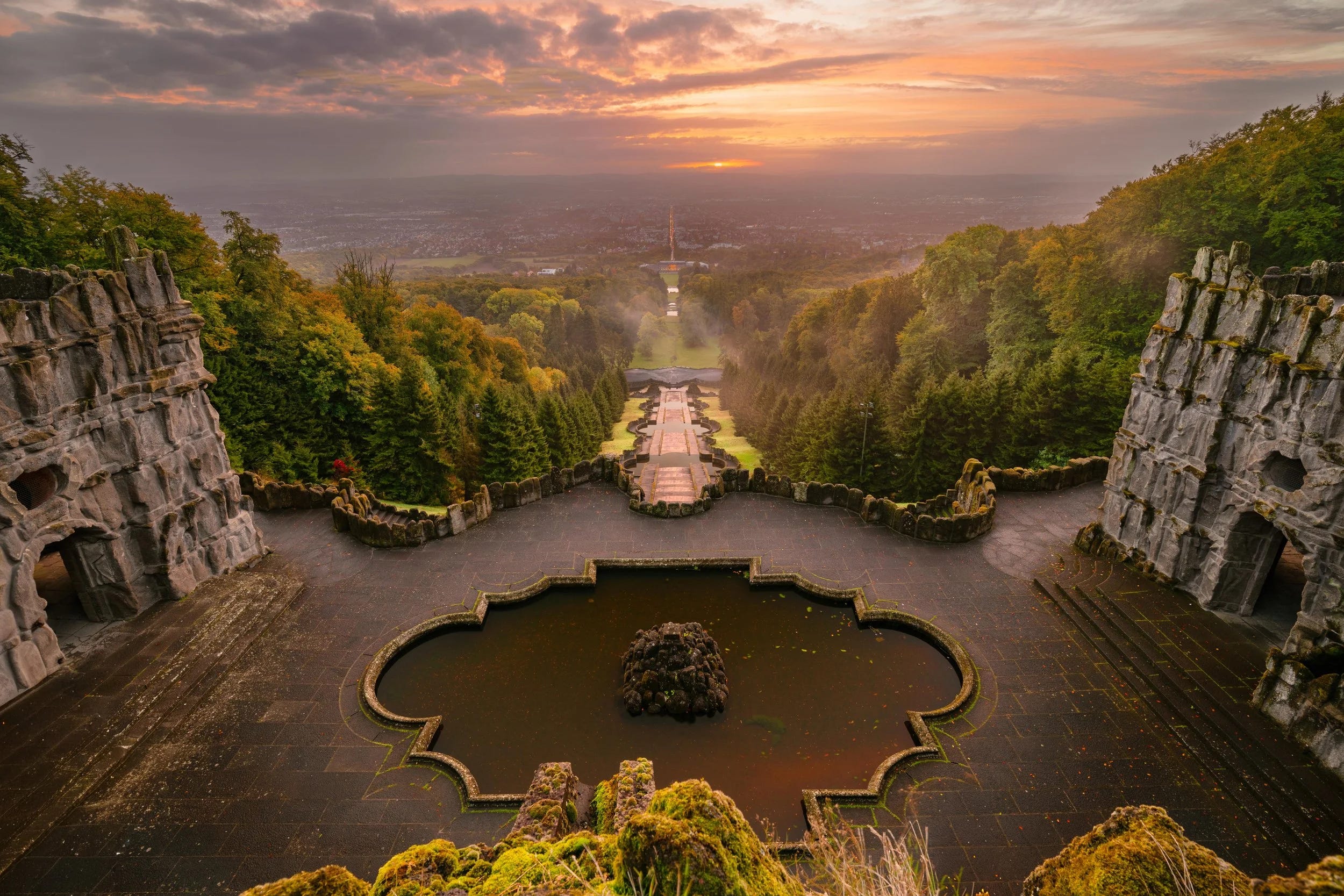
Outdoor photography is like carrying a portable mindfulness bell in your pocket. It invites you, with each press on the shutter button, to step out of your usual routines and really pay attention to the world around you: landscapes, streets, wildlife, and the overlooked details of nature. From vast horizons to the smallest glimmer on a leaf, it provides a strong way to break out of the prison our screens create.
Outdoor Photography as motivation to break out of the prison
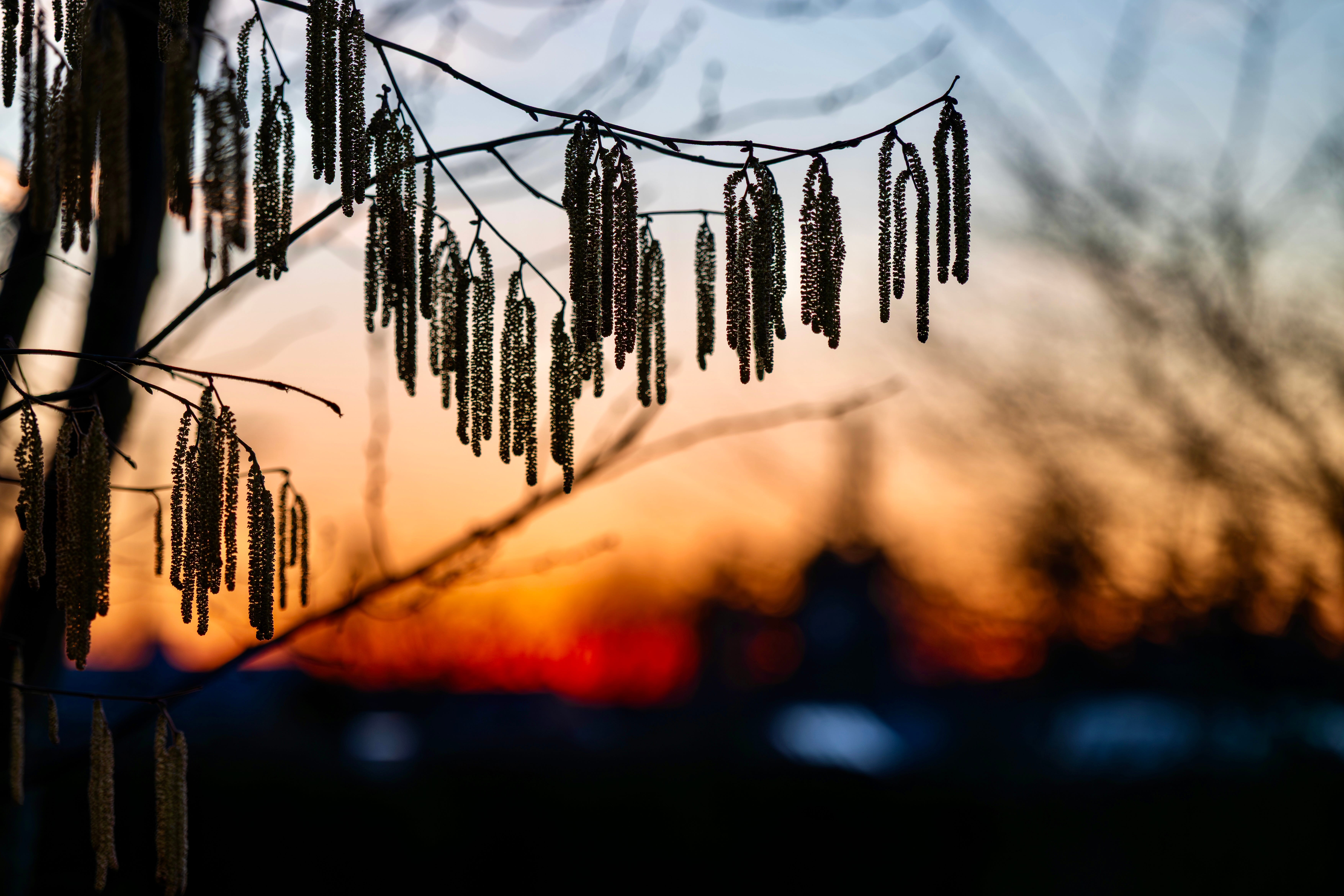
When you start with outdoor photography, you need something outdoors to photograph. Therefore, you need to go out and away from your desk, your couch, and your feeds. This alone is the first step to break out of your prison, the small apartment, and social media. You step outside into the free, real, and wild world around you. You might argue, “But yeah, it’s not that special or wild around my apartment.” At first glance, this may seem true. But what if you treated this not as a limitation, but as an invitation? Here’s a dare for you: step outside and find the wildest pattern, the oddest shadow, or the tiniest marvel within 100 steps of your front door. Challenge yourself to see what others overlook. Often, what first appears mundane may spark the sharpest curiosity if you look closer. You just need to be aware of your surroundings.
Photography promotes attention

That bird sitting on the tree right there, thebeautiful, shimmering reflection in the puddle after a rain shower. The detailed fractal patterns of frost on a window. The proud gaze of your neighbor’s dog. The delicate unfurling of a flower petal. These aren’t just ‘things to photograph’. They are invitations to see the world, not just look at it. This is a fundamental shift that rewires how you experience reality. All of these are great examples of things in the world around us that we normally miss when we are on our phones, completely consumed with thoughts, or rarely leave our homes. When you are out with your (smartphone) camera and on the hunt for the next picture, that forces you to be aware of all these things, to be interested in the details, and fully take in your surroundings. Photography is attention in action. The Stoics called this prosoche (purposeful attention): the practice of deliberately directing your focus moment by moment. When you frame a shot, you are practicing the Dichotomy of Control: You cannot control the light, the weather, or the landscape. You can only control your perspective and your presence. This attention and the focus on what you can influence and what you cannot also helps to calm your mind.
Photography as a way to calm your mind
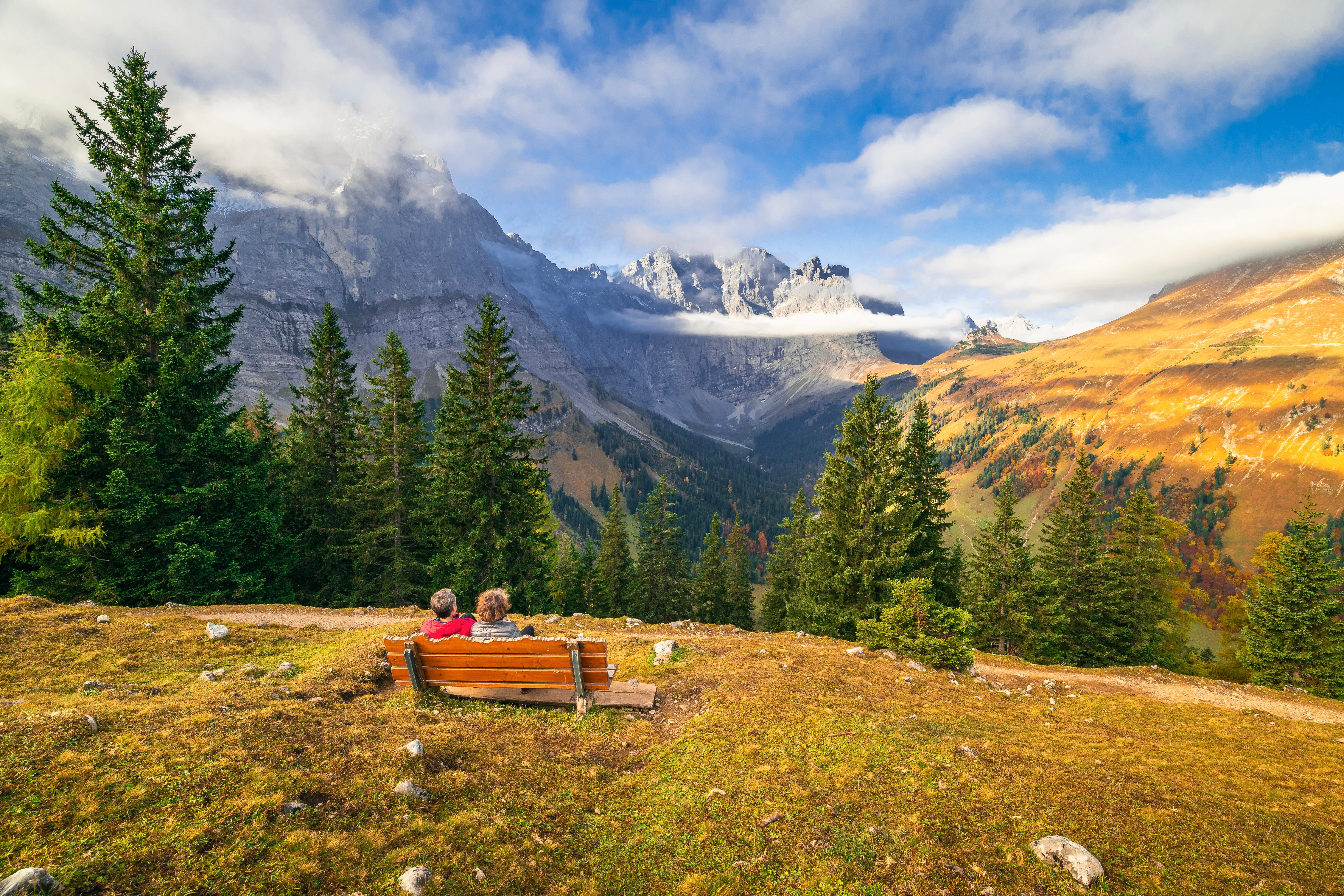
When you are fully aware, your thought cycles and stress symptoms stop. Awareness alone calms your mind. If you take pictures outside, you will quickly be fully in the zone, which helps your brain to relax. Neuroscientist Dr. Andrew Huberman has described how directing focused attention on the present, especially in natural settings, helps shift brain activity out of stress mode and into a calmer, more regulated state. Notice how your shoulders drop as you focus on framing a leaf, or how your breath deepens as you line up the perfect shot. By trying to capture a specific moment or feeling in a photo, you are forcing your brain to organize raw sensory data into a meaningful structure. This reduces mental “noise” and replaces it with clarity.
Outdoor photography also means there is downtime:
You wait for the perfect sunset.
You wait for the bird to appear.
You wait for the clouds to get into the right spot for the perfect light or picture composition.
You wait for the person to disappear behind the tree.
You wait for the long exposure to be finished.
All these situations are a pause in life. Enjoy these pauses:
So Pause.
Let silence settle.
Look around. Really look.
Let the air brush your skin.
Breathe deeply.
Notice the small things you missed before.
Rest.
Let your mind become quieter.
These moments are a gift. Space for your brain to process, to close the open loops.
This is your release valve for the internal. Unexpressed thoughts and emotions tend to take over your mind. They lead to a claustrophobic feeling. Pauses in nature help to overcome these thought patterns. It has been shown that 20 to 30 minutes in nature already has a positive impact on your nervous system. It reduces salivary cortisol levels, allowing your nervous system to release stress and relax. Another study showed that visuals of nature also help regulate heart rate variability, which helps balance your mood and reduces depression. So time in nature stabilizes and balances you.
The science makes sense, but I find it most convincing on a personal level: One afternoon, after a stressful day at work, I forced myself to go out into the local fields around me for half an hour with my camera. I remember how my breast opened up while I focused on photographing the sunset behind the trees. I started to breathe more slowly. My shoulders lowered. My mind became calm. A few minutes became an hour. By the time I walked home, I could literally feel the tension draining from my body. I could finally breathe deeply again, succeeded by a quiet steadiness that lasted hours.
This practice of deliberate attention inoculates you against anxiety. By engaging fully with the present moment, you’re better prepared for all challenges tomorrow may bring.
What doors could a calmer mind open for you next? Which ideas, risks, or adventures might you attempt once clarity makes room for them? Let your growing presence today energize the possibilities of tomorrow.
This mental clarity and stability isn’t the end. It’s the foundation. Once your mind is calm, you have the space to create.
Outdoor Photography as a way of creative expression
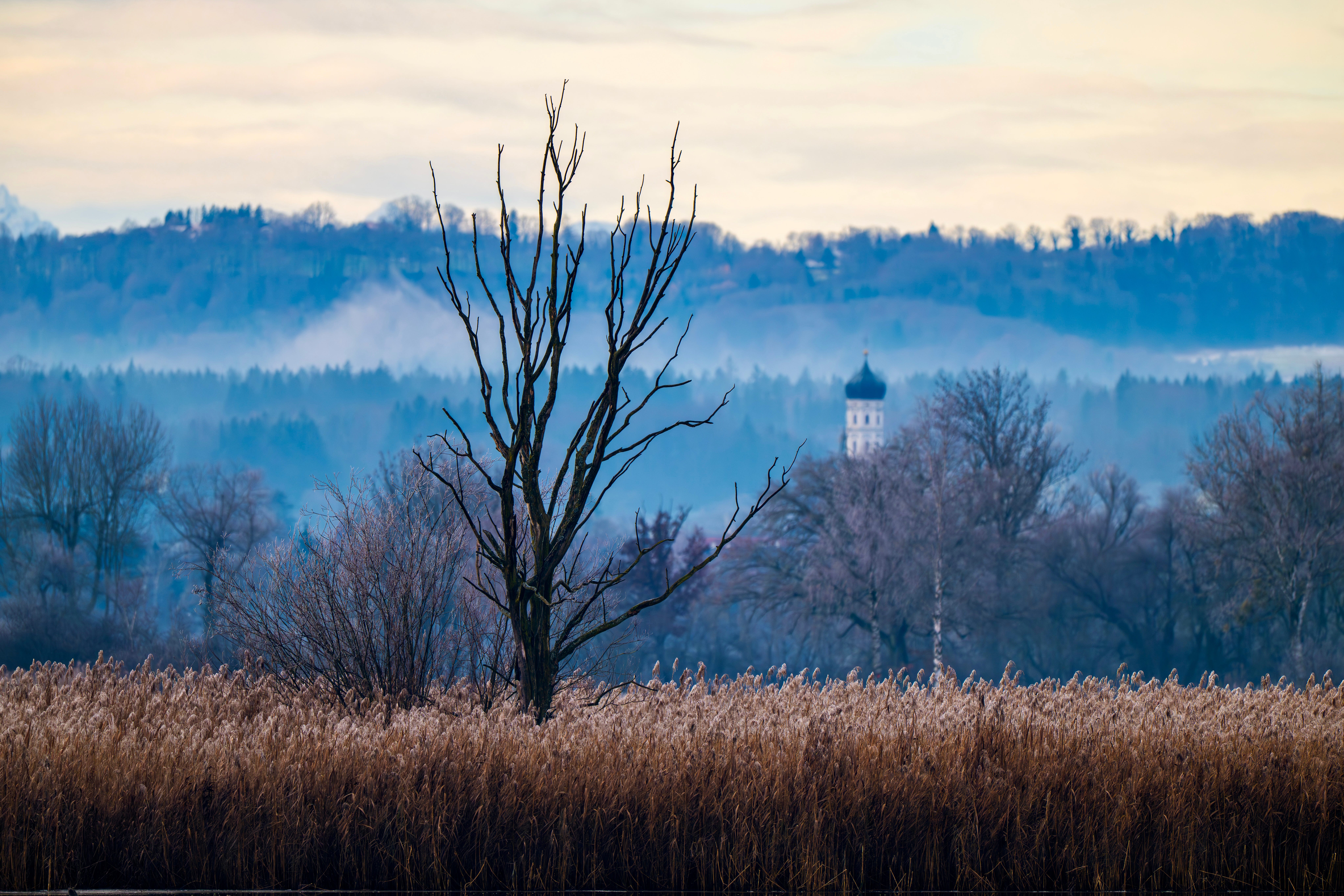
Outdoor photography is a great way to express your emotions, your thoughts, and your feelings. Imagine capturing an image of a bare dark tree towering into the sky in front of the mountains. In that frame, you can transfer a sense of hope or resilience, or maybe the quiet ache of being overlooked but still reaching toward the light. Once these feelings are captured in a picture, your brain can fully release them, leading to greater capacity to become even more creative and free. Once it’s “out there” in a photo, it no longer has power over you; you have power over it.
When you create, you aren’t just making “art”. You are building a bridge between your consciousness and reality. You don’t “find” yourself. You create yourself. Creative expression acts as a mirror. When you frame a shot in outdoor photography, you are making a choice based on your distinct viewpoint, values, and tastes. Over time, your body of work reveals your mental patterns to you. It shows you what you value, what you ignore, and how you see the world.
In addition, outdoor photography, as a tool for creative expression, provides a container for your attention. Your mind naturally moves towards chaos when it lacks focus. It moves everywhere, even to the darkest places. Creative expression aligns your focus for structure. It helps you to overcome passive consumption and just watching others’ lives on social media. Instead, outdoor photography switches you from passive Consumer to active Creator. This is the ultimate act of agency. It proves to yourself that you are not merely a victim of your environment, but an active participant who can shape how it is perceived and remembered. This flips the switch from mental chaos to order.
Creative work is the most reliable path to the Flow State, the highest form in human experience. In Flow, the “self” as an ego disappears, and you become one with the activity. This is where true “inner calm” lives. It’s not the lack of activity, but the presence of total, unfragmented attention and authentic presence.
The Formula of Authentic Presence
In this letter, we learned that three things combined help us to uncover authentic presence.
Nature + Attention + Creative Expression = Authentic Presence
Nature provides a restorative environment. Attention engages it. Expression processes it. The result isn’t just a “nice photo”; it’s a reconstructed self. You are moving from a passive consumer to an active architect of your own reality. You become an authentic and present self.
Visualize this: A lone hiker steps onto a quiet trail in the morning. She pauses in a bright clearing; the aroma of pine in the air is Nature. She notices the delicate web quivering between two branches and brings her camera up, fully present in that fragile moment; this is Attention. She clicks the shutter and makes the scene her own; that is Expression. In that quick sequence of pause, focus, and click, the nature, attention, and creative expression merge into one vivid sense of authentic presence.
This formula isn’t simply about feeling better. It is about becoming better. Authentic Presence isn’t just a state of mind; it’s a state of character.
I remember the moment it shifted for me. I was walking past the same street I’d walked a hundred times, but this time I had my camera. I observed the way light hit the wet pavement. The texture of moss on a fence. The geometry of shadows. I took the first two pictures. Then a third, and a fourth. Suddenly, the world wasn’t dull anymore. It was alive. I felt and saw everything. I was truly me and truly present…
Go out!
Go out now!
Seriously!
Give yourself ten minutes to find and photograph three different textures.
Maybe you spot a rough tree bark, the shimmer of damp asphalt, or the smooth surface of a mailbox.
Notice how a small challenge turns the familiar into something worth exploring.
Let your camera guide your search for details you normally miss.
Experiment with different perspectives. Go lower or higher than eye level. Go around an object and search for the best point of view.
If you have no big camera, your phone is more than enough. In fact, any device with a camera will do: a tablet, an old digital camera, or your everyday smartphone. Skill level or fancy equipment is not important here; what matters is your willingness to explore and notice details. Don’t worry about technical knowledge or perfect results. Turn on Do Not Disturb, open your camera app, and simply focus on being present. This experience is about discovering, not performing.
The resulting pictures are for you alone! There is no need to show them around. The result is not important. The act of taking the pictures is the meditation. If you take 100 photos and delete them all, the session was still a success because your attention was engaged. Focus on the effort, not the outcome.
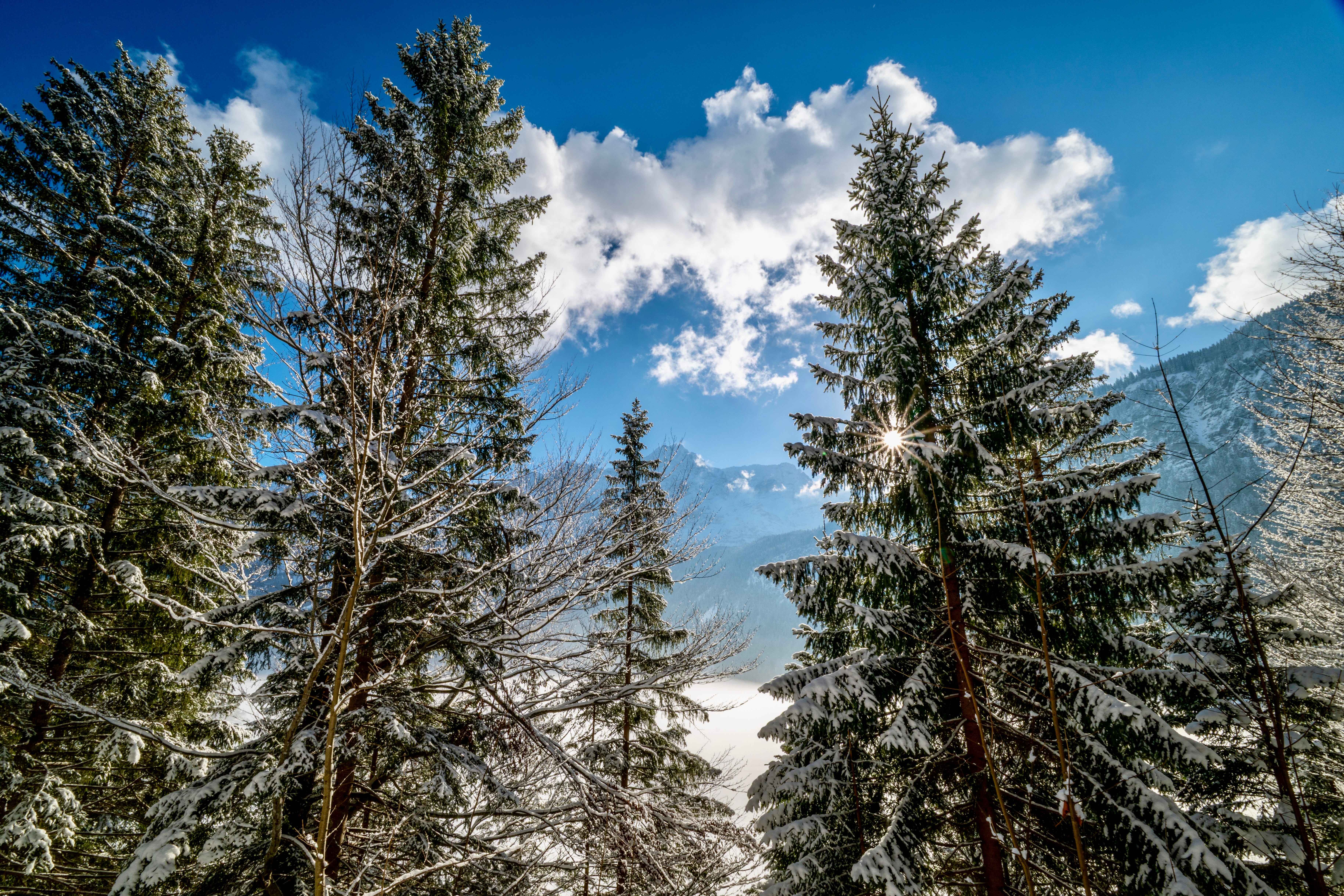
Thirty days from now, you scroll through your phone’s gallery. Instead of the endless feed, you see a collection of your own moments, a sunburst through the trees, rain beads on a bus window, your environment in a different kind of light. Each image is a memory you shaped. Each photo is proof of authentic presence. Your month has become a visual diary of attention, creativity, and change. This is what awaits you, one mindful picture at a time.
I’ll meet you there outside!
— Andreas
You’re Fragile, Insecure, Dependent, And Reactive - Here is how to fix it:

Sirens wail, screens flicker, and the room shrinks. In a world where extremes dominate and society is fraught with polarization, there remains hope for finding tranquility and strength within ourselves. This letter will guide you toward physical and mental strength, confidence, and independence, even amid the chaos around you. By the end of this explora…
Reclaim Focus in a Distracted World

Technological advances and globalization make things more connected and significantly improve our lives. However, they also lead to a more complex world and many distractions.
Reclaim Your Calendar: Break Free from Endless Meetings

How often do you see a colleague late and stressed, jumping from one meeting to another? This stress worsens in the home office. We schedule appointments back-to-back because we do not require travel time. That is true, but we must remember the mental toll this overscheduling can take.